Tiny clothes, careful hands
Babies grow fast. That beautiful outfit might fit for a few weeks before it's too small. And special pieces like christening gowns, particularly family heirlooms, deserve more care than a typical alteration shop might offer.
We connect you with seamstresses who specialise in small, delicate work. Whether it's adding growth tucks to extend a dress through several sizes, carefully adjusting a grandmother's christening gown, or resizing a stack of hand-me-downs, they understand that these small garments often carry big significance.
Get a Quote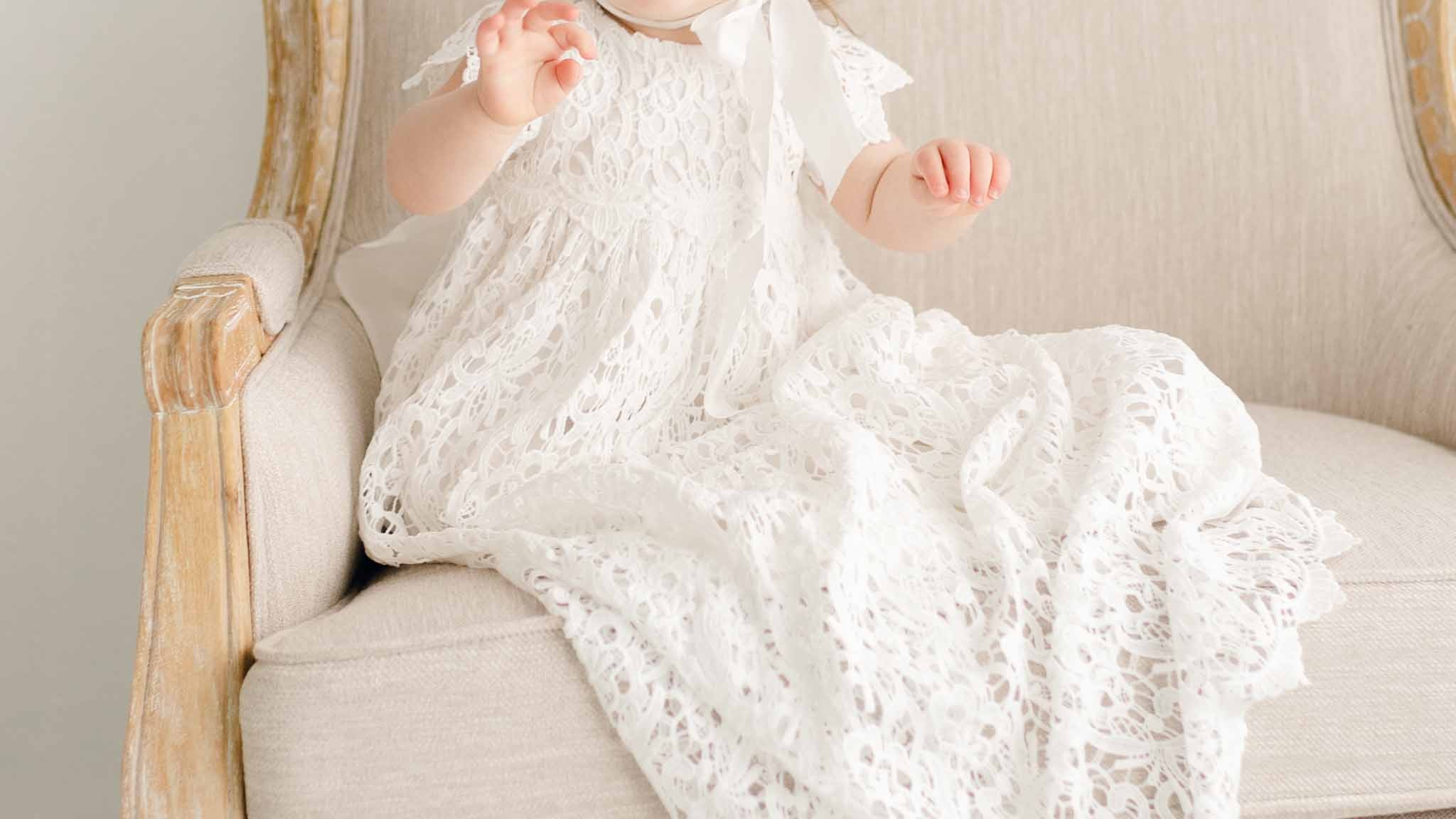
What we can help with
Common requests for baby and children's clothing:
The growth tuck method
Growth tucks are a traditional technique that's making a comeback. Instead of hemming a dress to exactly the right length and cutting off the excess, the extra fabric is folded into one or more horizontal tucks. These are stitched in place using long stitches that can be easily unpicked.
When your child grows, you simply release the tucks, press out the fold, and the garment is instantly longer. Two or three tucks, each about an inch deep, can extend a dress through two or three sizes. The tucks themselves can look quite decorative, sitting in rows above the hem.
For best results: Light-coloured 100% cotton fabrics work best because fold marks tend to wash out. Avoid pressing tucks with a hot iron each time you launder the garment, as this sets the crease more firmly. When you do release the tucks, a bit of steam and a damp cloth usually removes any visible fold line.
Not just hems
Growth tucks can also be used on sleeves. A short-sleeved dress can have tucks that, when released, become a three-quarter sleeve. This is particularly useful for special occasion dresses that you want to last for multiple events.
Heirloom pieces
Family christening gowns, vintage baby dresses, and other heirloom pieces need specialist care. These garments were often made with techniques and materials that differ from modern construction. The fabric may be fragile, the lace irreplaceable, and the sentimental value immeasurable.
Before any work begins, a skilled seamstress will assess the garment's condition. Is the fabric strong enough to handle alterations? Are there weak areas that need stabilising first? Can the existing seams withstand adjustment, or do they need reinforcing?
Common requests include resizing to fit a new baby (whether larger or smaller than the gown's current size), repairing damaged lace or fabric, replacing yellowed or deteriorated lining, and careful cleaning to remove age-related discolouration. Not everything is possible on every garment, but much can be achieved with the right skills and patience.
Frequently Asked Questions
How do growth tucks work on baby clothes?
Growth tucks are folds of fabric stitched into hems or sleeves, usually about an inch deep. They're sewn with a long basting stitch that's easy to unpick. When your baby outgrows the current length, the tuck is released, the fold pressed out, and the garment is instantly longer. Two or three tucks can extend a dress through several sizes. They also look quite sweet as a decorative detail.
Can you alter a family christening gown?
Yes, though heirloom pieces need careful handling. Antique christening gowns often have delicate fabric, aged lace, and construction methods that differ from modern garments. An experienced seamstress will assess the fabric's condition first, test any cleaning on a hidden area, and make adjustments that respect the original construction. Lengthening is sometimes possible if there's a deep hem. Resizing may involve adjusting the bodice or adding panels that blend with the original fabric.
What about resizing hand-me-downs?
Hand-me-downs often need more than just hemming. A coat from an older sibling might need the sleeves shortened, the body taken in, and the hem adjusted. The good news is children's clothes are usually simpler in construction than adult garments, making alterations more straightforward. A seamstress can assess what's needed and whether the garment is worth altering.
How do you handle delicate baby fabrics?
Baby clothes often use soft knits, delicate cottons, and fine fabrics that require a gentle touch. Machine stitching needs to be appropriate for the fabric weight. Some work is better done by hand. Thread colour and weight must match precisely. A seamstress experienced with baby clothes understands these requirements.
Can you repair damaged heirloom baby items?
Often, yes. Aged fabric may have weak areas, holes, or yellowing. Repairs might involve stabilising fragile sections, patching from hidden areas of the garment, or sourcing vintage-appropriate replacement fabric. Some damage can't be fully reversed, but much can be improved. A specialist will be honest about what's achievable.
Need something altered?
Tell us about the garment and what you need. We'll connect you with a specialist.
Get a Quote