Leather needs a specialist
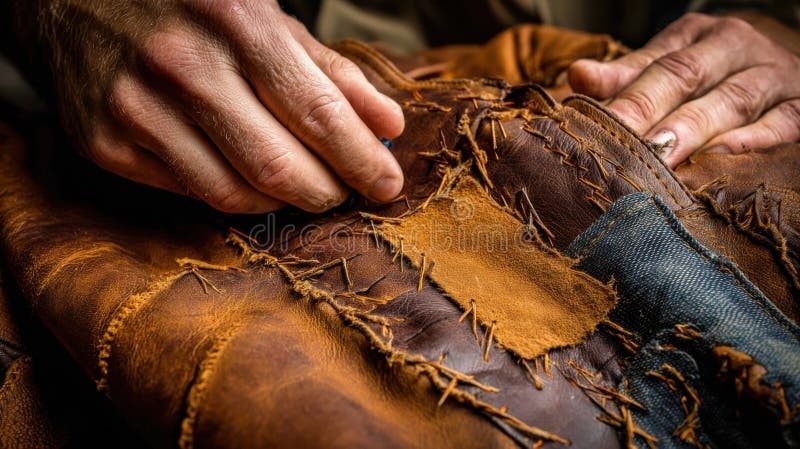
Don't take your leather jacket to a regular alteration shop. Leather is unforgiving. Every needle hole is permanent. The wrong machine, wrong needle, or wrong technique can cause irreversible damage. Yet with the right skills and equipment, leather can be altered, repaired, and restored beautifully.
Our network includes specialists who work exclusively with leather, suede, fur, and other challenging materials. They have the industrial machines, specialist needles, and years of experience needed to handle these precious garments properly.
Specialist services
What our leather specialists can help with:
Why leather is different
Leather isn't woven like fabric. It's animal hide, and each needle puncture creates a permanent hole. In fabric, if you unpick a seam, the fibres close back up. In leather, the holes remain. This means every stitch has to be in the right place the first time.
The right equipment matters. Standard domestic sewing machines can't reliably punch through thick leather. Industrial walking-foot machines with heavy-duty motors are needed. The needles are thicker with a different point shape designed to pierce without tearing. The thread is heavier. The tension settings are different.
Different leathers behave differently. Thin lambskin is delicate and needs a light touch. Heavy cowhide requires more force. Suede has a napped surface that shows marks easily. Patent leather can crack if mishandled. A specialist understands these differences and adjusts their technique accordingly.
Some alterations are more complex. Taking in a leather jacket at the sides is relatively straightforward. Shortening sleeves is manageable. But altering shoulders means dismantling the armhole, sleeve, and potentially the chest panels. The complexity and cost rise significantly.
Matching the original
When replacing zips or hardware on leather garments, specialists often maintain stocks of heavy-duty YKK zips, snaps, and buttons in various finishes. Matching the original hardware ensures the repair doesn't look like a repair.
Materials we work with
Frequently Asked Questions
Why do leather alterations cost more?
Leather requires specialist equipment and skills that most seamstresses don't have. Industrial sewing machines with stronger motors and thicker needles are needed to pierce the hide without damage. The needles themselves are different. Each stitch hole is permanent, so there's no room for error. And the material itself is more expensive than fabric, raising the stakes.
Can a leather jacket really be altered?
Yes, but within limits. Taking in the sides, shortening sleeves, adjusting the hem, replacing zips are all possible. What's difficult is shoulder alterations, because they require dismantling much of the jacket and re-setting sleeves. The key is finding someone who specialises in leather. A regular seamstress may decline the work or damage the garment.
What happens if leather is stitched incorrectly?
Needle holes in leather are permanent. Unlike fabric, where stitches can be unpicked and the holes will close, leather retains every puncture mark. If a seam is sewn in the wrong place and needs redoing, the old holes will remain visible. This is why leather work needs to be done right the first time.
Do you work with faux leather?
Yes. Faux leather (pleather, vegan leather) has different properties than genuine leather but can still be altered and repaired. The techniques are slightly different. A specialist will know how to handle both.
Can scratches and tears in leather be repaired?
Many can. Minor scratches can often be buffed out or treated with conditioning products. Tears can be stitched and reinforced, sometimes with a backing patch on the inside. Deep gouges or areas where the leather has worn through are harder to repair invisibly. A specialist will assess what's possible.
Have leather that needs work?
Tell us about your garment. We'll connect you with a specialist who has the right skills and equipment.
Find a Specialist